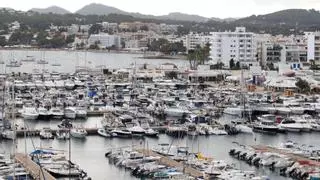
Special Summer Gastronomy | Gastronomy
From universal flavours to deeply rooted traditions
The growth of the island’s gastronomic offer brings with it the challenge of preserving Formentera’s culinary identity, which many restaurants continue to defend with conviction
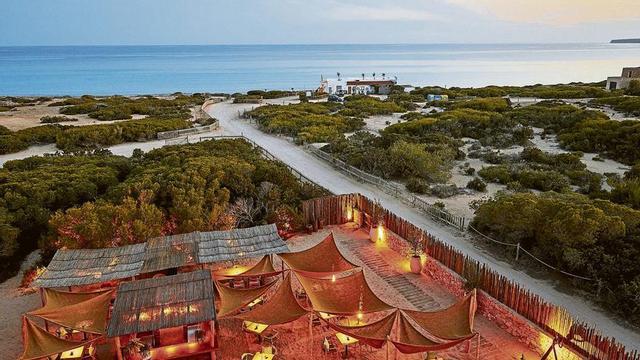
The privileged surroundings of many restaurants in Formentera mean that it is not only what you eat that matters, but also how the experience is lived. | TERANKA FORMENTERA
 Añádenos en Google
Formentera’s gastronomy is experiencing an unprecedented period of growth. In recent years, the island’s traditional cuisine, based on fish, rice dishes, simple recipes and local produce, has been joined by an increasingly varied offer, with projects signed or linked to some of the best-known names in Spanish cuisine and a world of international flavours that is surprising on such a small island.
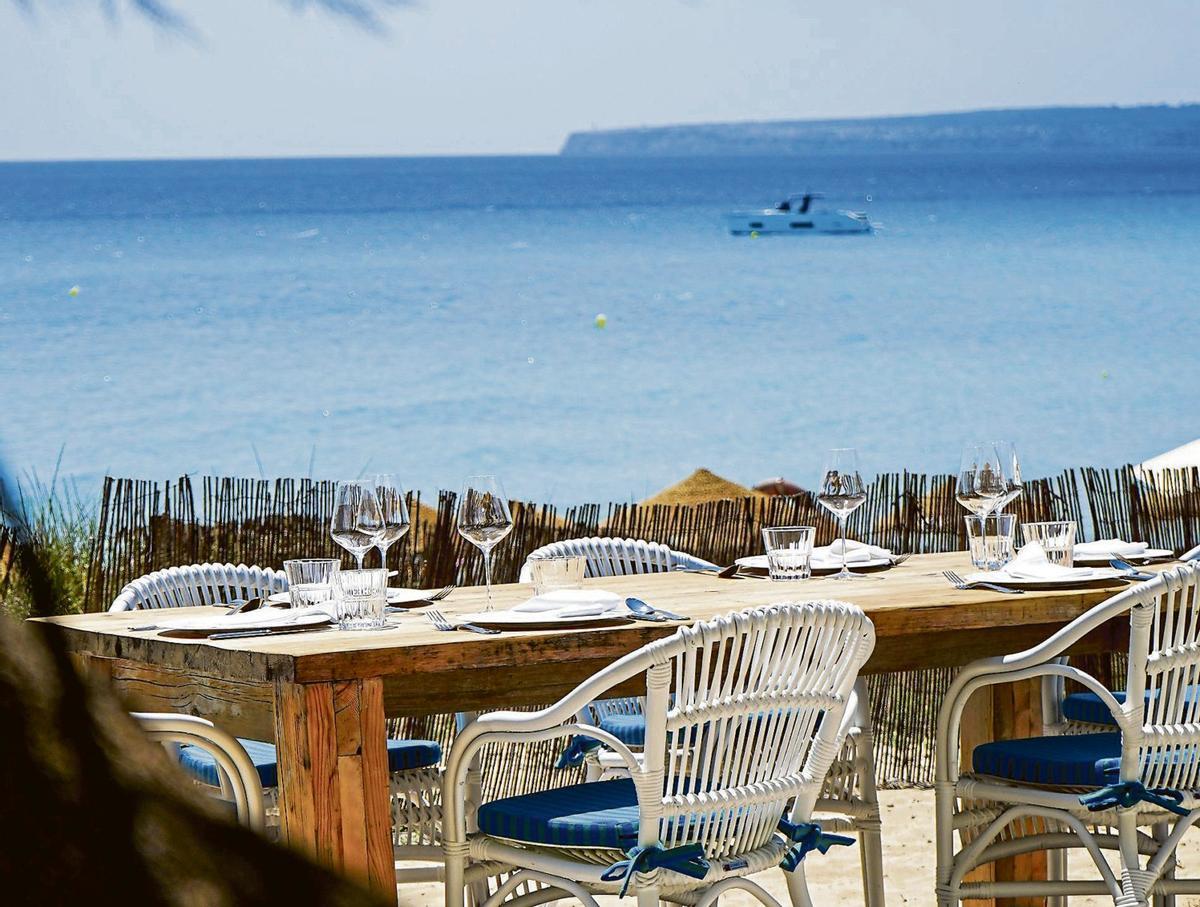
Enjoying views of Formentera’s turquoise waters is a pleasure few want to miss, as at Hannah Formentera. | HANNAH FORMENTERA
The number of restaurant covers continues to grow, making the most of the unique spaces that make Formentera so appealing. «One curious fact is that on the island we have twice as many restaurant seats as hotel beds», says Joan Tur, director of Mariterra restaurant. He acknowledges that «the gastronomic level in Formentera is incredible compared with 20 years ago».
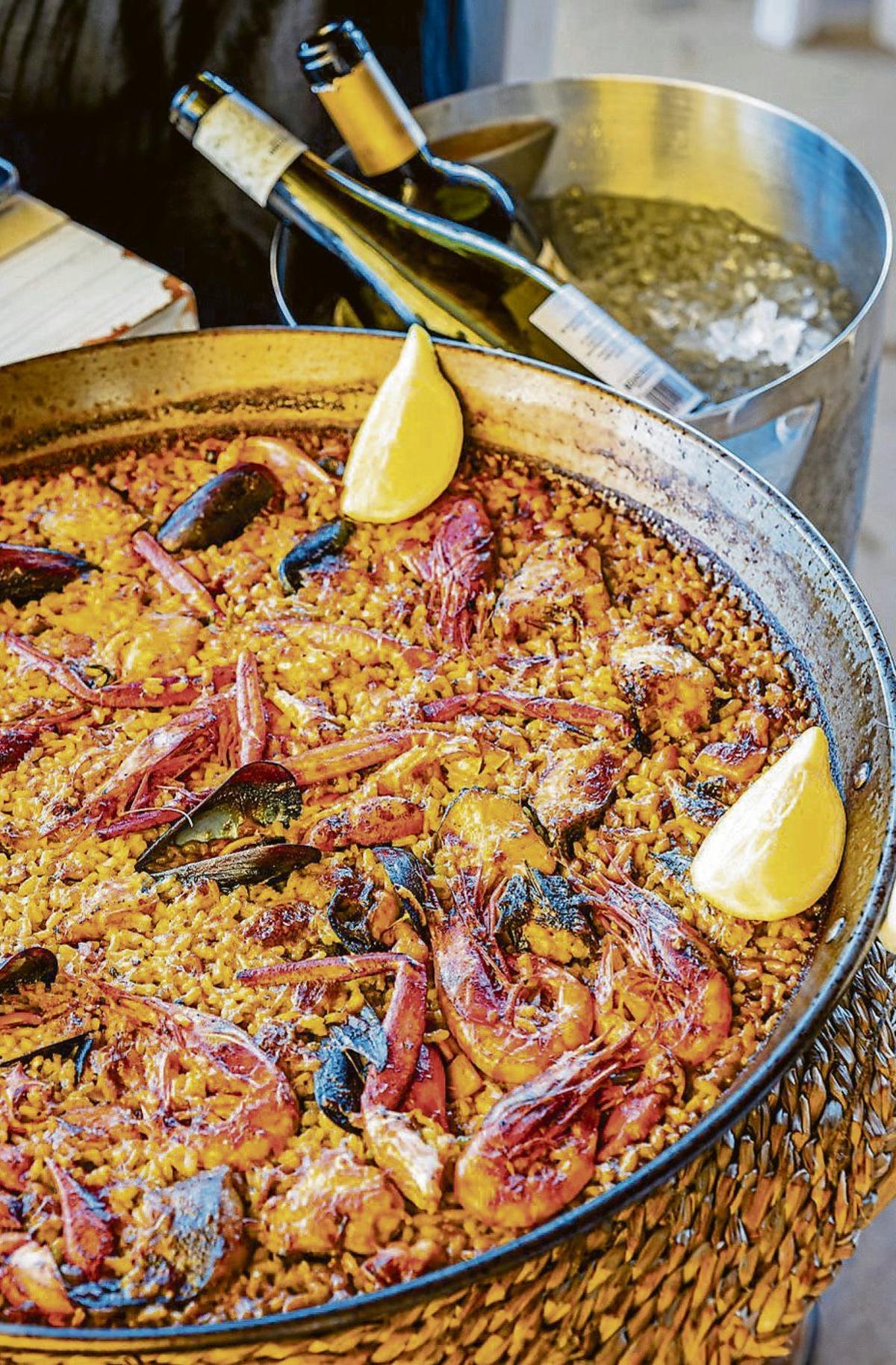
Rice dishes are essential at restaurants such as Tanga. / TANGA
Great chefs linked to Formentera
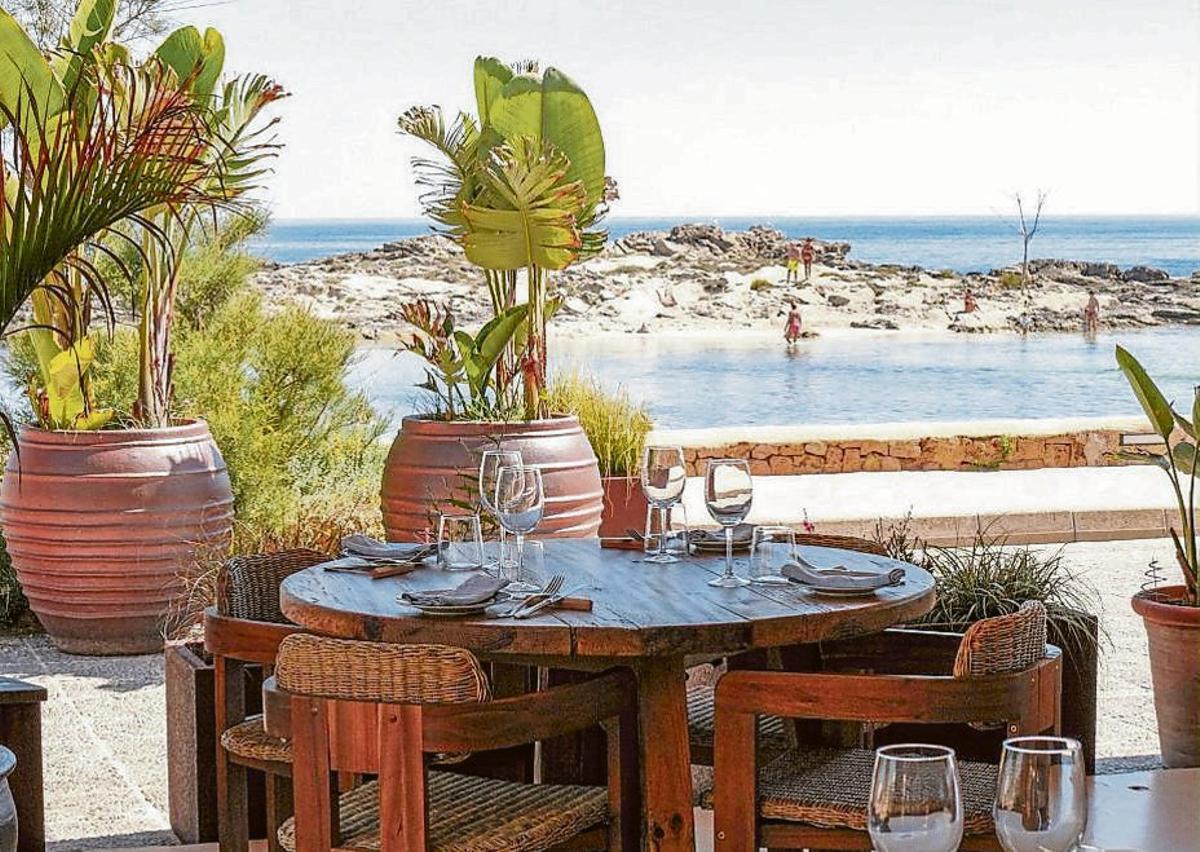
Cuisine that respects the product at restaurants such as Juvia. / JUVIA
The arrival of chefs such as Nandu Jubany, Ramón Freixa and Dabiz Muñoz confirms that Formentera has firmly entered Spain’s gastronomic map. Jubany has been connected to the island for years, from the opening of Can Carlitos to the gradual expansion he has developed in recent seasons. Ramón Freixa, meanwhile, has arrived at Hotel Cala Saona with a project that looks to the landscape, local produce and tradition from a contemporary perspective.
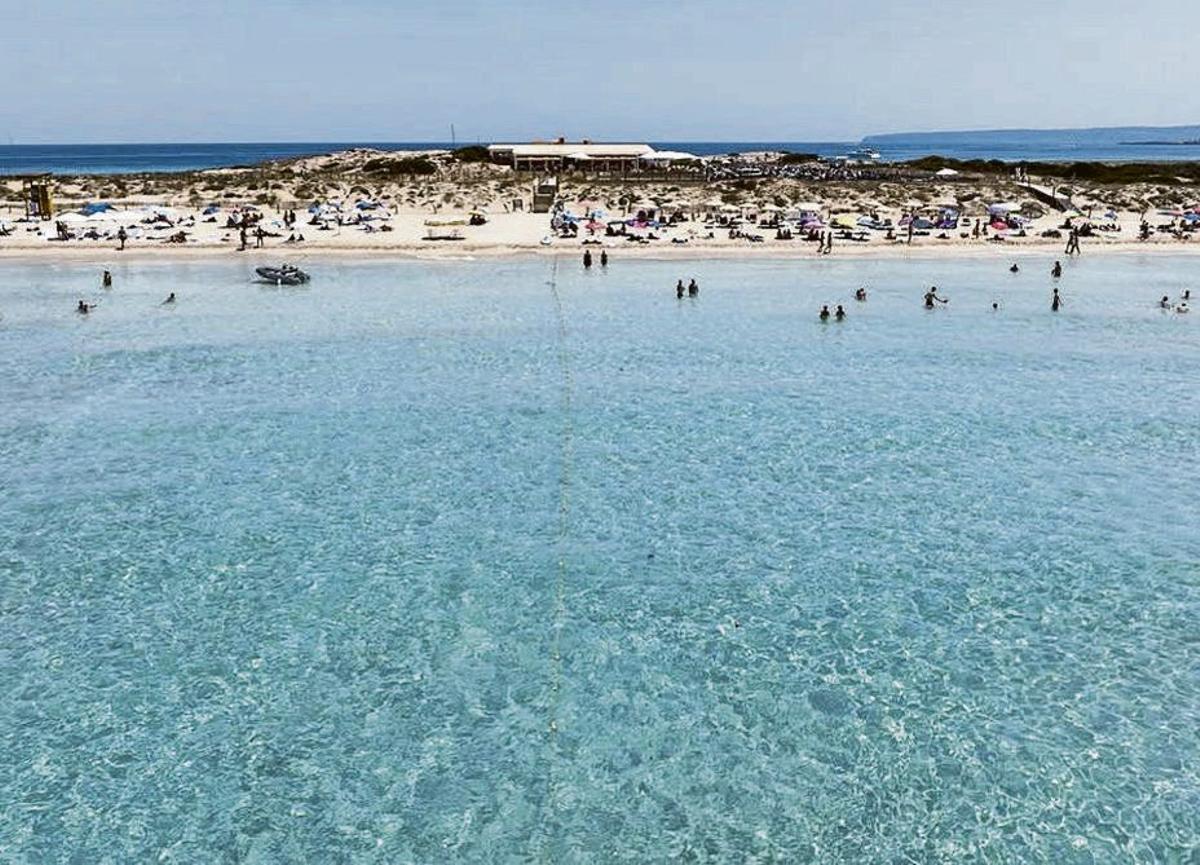
Es Ministre, in one of Formentera’s most privileged locations: Ses Illetes. | ES MINISTRE
For his part, Dabiz Muñoz has brought the XO universe to Ses Roques this summer, expanding in Formentera a gastronomic presence that has also been felt in Ibiza with the opening of StreetXO.
The arrival of these chefs, together with the major growth of restaurants in Formentera, also raises a challenge: preserving the island’s culinary identity. In a territory with a gastronomic tradition closely linked to its surroundings, many restaurants defend the importance of working with local produce and staying close to the recipes that have formed part of its history.
«Gastronomy has improved a great deal in terms of quality, service and offer. The danger is losing our essence, roots and culture, which is what sets us apart from the rest of the world», says Joan Tur, who adds: «There are still a few of us fighting to preserve this identity».
Icons of local gastronomy that remain on the table
Seasonal vegetables, products from the land, fish and seafood continue to be very present on the menus of restaurants that still protect local cuisine. Within this heritage, peix sec holds an essential place as one of the most recognisable products in the local pantry. Born as a preservation technique used by fishermen, this fish dried in the sun and sea breeze has become a symbol of a way of cooking tied to the territory.
An essential ingredient in ensalada payesa, peix sec sums up much of Formentera’s gastronomic identity: simplicity, memory and Mediterranean flavour.
The closeness of the sea defines many local gastronomic proposals, especially in restaurants located by the coast, where fresh produce remains one of the main attractions. Dishes such as lobster or blue lobster with fried eggs and potatoes have become favourites for many diners, including celebrated chef Dabiz Muñoz.
Alongside fish and seafood, rice dishes are another major draw, with dry, mellow or soupy versions forming part of the Formentera dining experience. Naturally, they are also made with ingredients that come from the sea.
Cuisines that open Formentera to the world
Beyond the most Mediterranean proposals, the island has made room for many other cuisines. Today, Mediterranean, Italian, Japanese and Latin American restaurants coexist with signature proposals and more informal concepts. This variety responds both to the international profile of visitors and to Formentera’s own evolution, as the island has seen its gastronomic offer become more diverse and better adapted to different moments of the day.
The balance between tradition and new openings seems to be one of the current keys. The presence of major chefs brings visibility and new proposals, but Formentera’s true point of difference remains in what connects it to its surroundings: fish, local produce, time-honoured recipes and a way of eating shaped by the rhythm of the island.
In a context of growing gastronomic interest, Formentera is seeking to consolidate an offer that can look outwards without losing sight of its roots.
- Llama la atención: La pírrica multa, de apenas 200 euros, que se impondrá al conductor del quad que circuló a gran velocidad por una zona peatonal de Dalt Vila.
- Una pareja convierte la playa de Santa Eulària en su restaurante privado de Ibiza: amor a la luz de las velas
- Cazada en Ibiza una furgoneta que transportaba pasajeros de forma irregular: multa de 15.000 euros
- El morrocotudo error de Shannis: cambia todos sus euros a dólares para viajar a Ibiza porque no sabía que estaba en España
- Vivienda en Ibiza: Sant Josep prevé que se construirán alrededor de 500 VPL en áreas de transición
- La moda de ‘farmear aura’ reúne cada vez a más niños y adolescentes en las calles de Ibiza
- Vicent Roig, alcalde de Sant Josep: «Los empresarios copan una buena parte del mercado del alquiler residencial»
- La odisea de buscar piso en Ibiza a punto de ser padres: 'Todos nuestros amigos se han ido